I've noticed something interesting lately: film cameras and little point-and-shoot cameras are making a comeback. It's got me thinking about why these old-school tools are becoming popular again. I think it's all about the nostalgia and how these cameras help us stay more in the moment, connecting us to the people we're photographing instead of keeping us glued to our phones. Let’s dive into why this resurgence is happening and how it’s changing the way we capture memories.
The Appeal of Nostalgia
There’s something magical about holding a film camera. For many of us, it brings back memories of childhood, family vacations, and simpler times when photos were more geared to special events, not everyday occurrences. Film and point-and-shoot cameras remind us of those days.
For me, I remember so vividly my grandpa having his film camera on hand for every birthday party or family get together. He'd snap a couple of rolls and then run over to the 1 hr development to get the photos printed out. He would usually get it printed in duplicate, one for him and one for the people he photographed. Whenever I look through these old photos, it feels like stepping back in time, and every shot he took felt meaningful. The colors, the grain, and even the little imperfections added character to the photos. Additionally, film photography has an aesthetic quality that digital often tries to replicate. The warm tones, the depth, and the unique look of each frame make film photos feel timeless and artistic.
Being Present in the Moment
One of the biggest differences I've noticed between shooting with a my mirrorless camera or my phone versus a film camera is how present I feel. With a phone, it’s easy to snap dozens of photos without much thought, constantly checking and retaking shots. But with a film or point-and-shoot camera, every click of the shutter is intentional.
Using film makes you slow down and think about the moment. You have a limited number of shots, so you’re more selective and mindful of what you capture. This mindfulness can make the act of taking photos more meaningful and connected to the moment.
I noticed this feeling of mindfulness and intention when I started to get back into film. I even picked up a disposable camera before one of my first trips to Austin, TX and it was really fun being able to take photos of the places I visited and not have the distraction of my big camera or my phone. It allowed me to better connect with the people I was visiting and the places I was seeing because I think when someone sees a big camera it becomes another player and people may not be super comfortable in front of the lens. But with a film camera, it sparks a bit of curiosity and a sense of connection with the camera and people almost perk up a little more when the film camera pops up. The photos I took ended up being a time capsule for that trip and it felt like they were seeped in nostalgia.
The Tangibility of Film
There’s something incredibly satisfying about the physical process of film photography. From loading the film to winding it after each shot, to the excitement of waiting for the developed prints – it's all part of the experience.
Holding a printed photo in your hands is a different kind of joy compared to scrolling through a digital album. There’s a sense of accomplishment and anticipation that comes with film. Every print is a piece of art, a tangible memory you can hold and display.
I've had moments where I found old boxes of photos in my parents' garage and spent hours reminiscing. It’s a different experience than scrolling through a phone. There’s a warmth and authenticity to those physical prints that digital photos just can’t replicate.
Embracing Imperfection
One of the beautiful aspects of film photography is its imperfections. Light leaks, grain, and the occasional blur all add character to the photos. These “flaws” make each image unique and authentic.
Digital photography often strives for perfection, but film photography embraces the imperfect. Some of my favorite shots are those “happy accidents” – the unexpected results that turn out beautifully. These imperfections tell a story and add depth to the images.
I remember taking a photo with a film camera where the sunlight caused a rainbow, creating an almost ethereal effect. It wasn’t planned, but it made the photo magical. Embracing these imperfections allows for creativity and spontaneity.
Portability and Convenience
One of the practical benefits of film and point-and-shoot cameras is their portability. My point-and-shoot 35mm film camera is light and compact enough to fit in my purse, making it incredibly convenient compared to my big canon camera. This ease of carrying a camera around means I’m more likely to take it with me and capture spontaneous moments that I might otherwise miss.
Whether you’re out for a casual walk, traveling, or attending a social event, having a small, lightweight camera allows you to snap pictures without the bulk and weight of larger digital cameras. This portability adds to the spontaneous and carefree nature of film photography.
Practical Tips for Getting Started
If you’re intrigued by the idea of trying film or point-and-shoot photography, here are some tips to get you started:
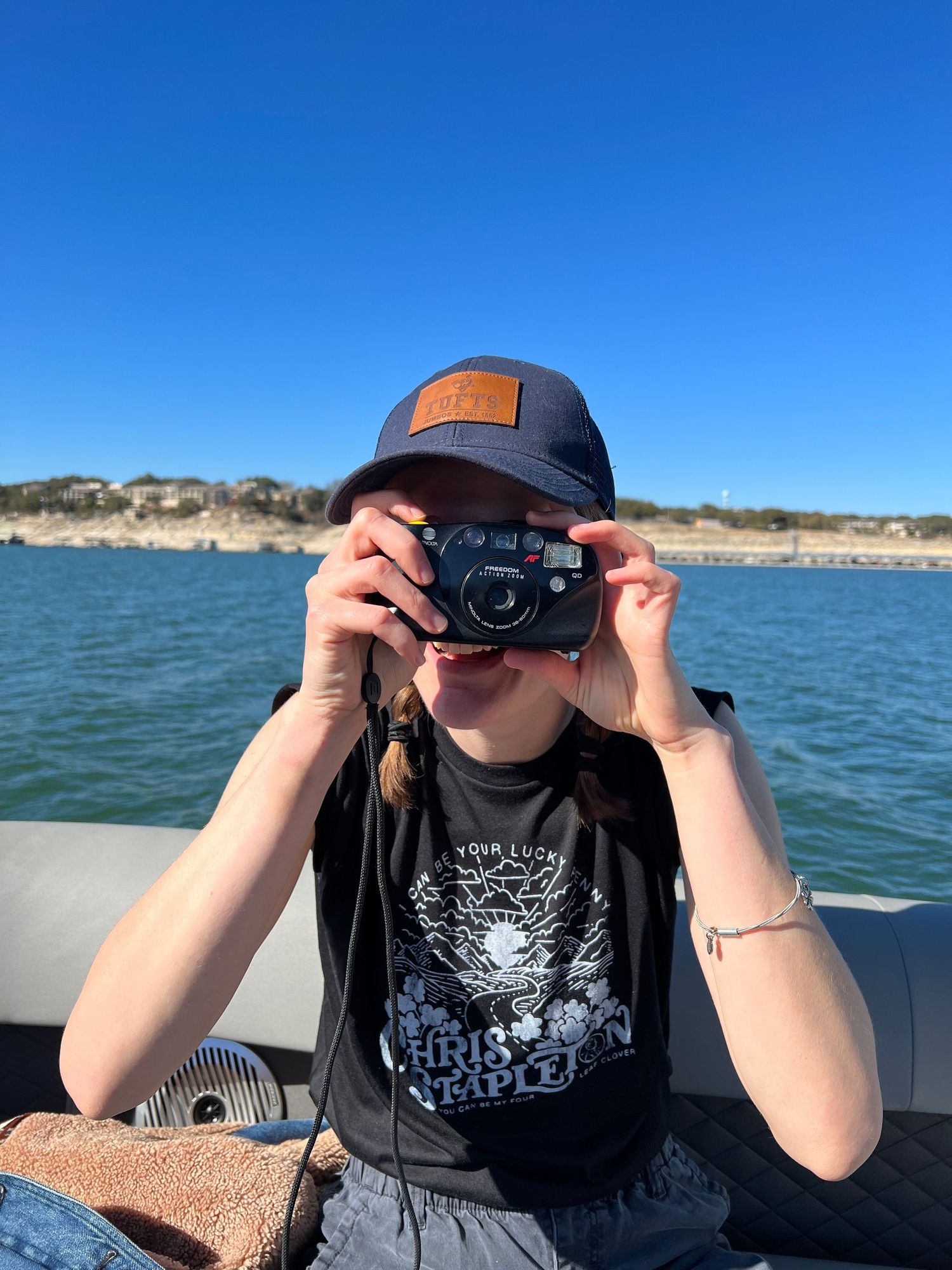
1. Choose Your Camera: For beginners, a simple point-and-shoot or an entry-level 35mm film camera is perfect. Brands like Canon, Nikon, and Pentax have reliable options. (I was gifted a Minolta Freedom Action Zoom from one of my best friends and I love carrying that one around)
2. Buy Film: You can find film at most camera stores or online. Fujifilm and Kodak are great brands to start with. (I've shot on both of these and I love both. The Kodak definitely has warmer tones than the Fujifilm so that's something to keep in mind)
3. Developing Film: Many local camera shops offer film developing services. Alternatively, you can send your film to specialized labs. (Shoutout Turbo Film Lab & Lago Vista Lab as the two places in Austin, TX that I've gone and enjoyed getting my film developed)
4. Learn the Basics: Understanding the basics of exposure and composition can help you make the most of your shots. Thanks to the information age we live in, there are plenty of online resources and books available!
Conclusion
The resurgence of film and point-and-shoot cameras is more than just a trend. It’s a return to a more intentional and connected way of capturing memories. The nostalgia, the tangibility, and the beauty of imperfections make film photography a uniquely rewarding experience.
So, if you’re looking to add a little magic to your photography, why not give film a try? Embrace the journey, enjoy the process, and see how it transforms the way you see the world.
If you want to capture more of these special moments, B Fox Photo is here to help you document your story. From spontaneous adventures to cozy at-home sessions, I’m here to make sure every chapter of your journey is beautifully captured. Let's take some photos!

Kauai, HI
Taken with Canon Rebel GII Film Camera on Kodak Gold 200
Developed at Turbo Photo Film Lab

Corpus Christi, TX
Taken with Kodak Ektar H35 Half Frame Film Camera on Fujifilm 200
Developed at Lago Vista Film Lab

San Diego, CA
Taken with Minolta Freedom Action Zoom Film Camera on Fujifilm 400
Developed at Lago Vista Film Lab
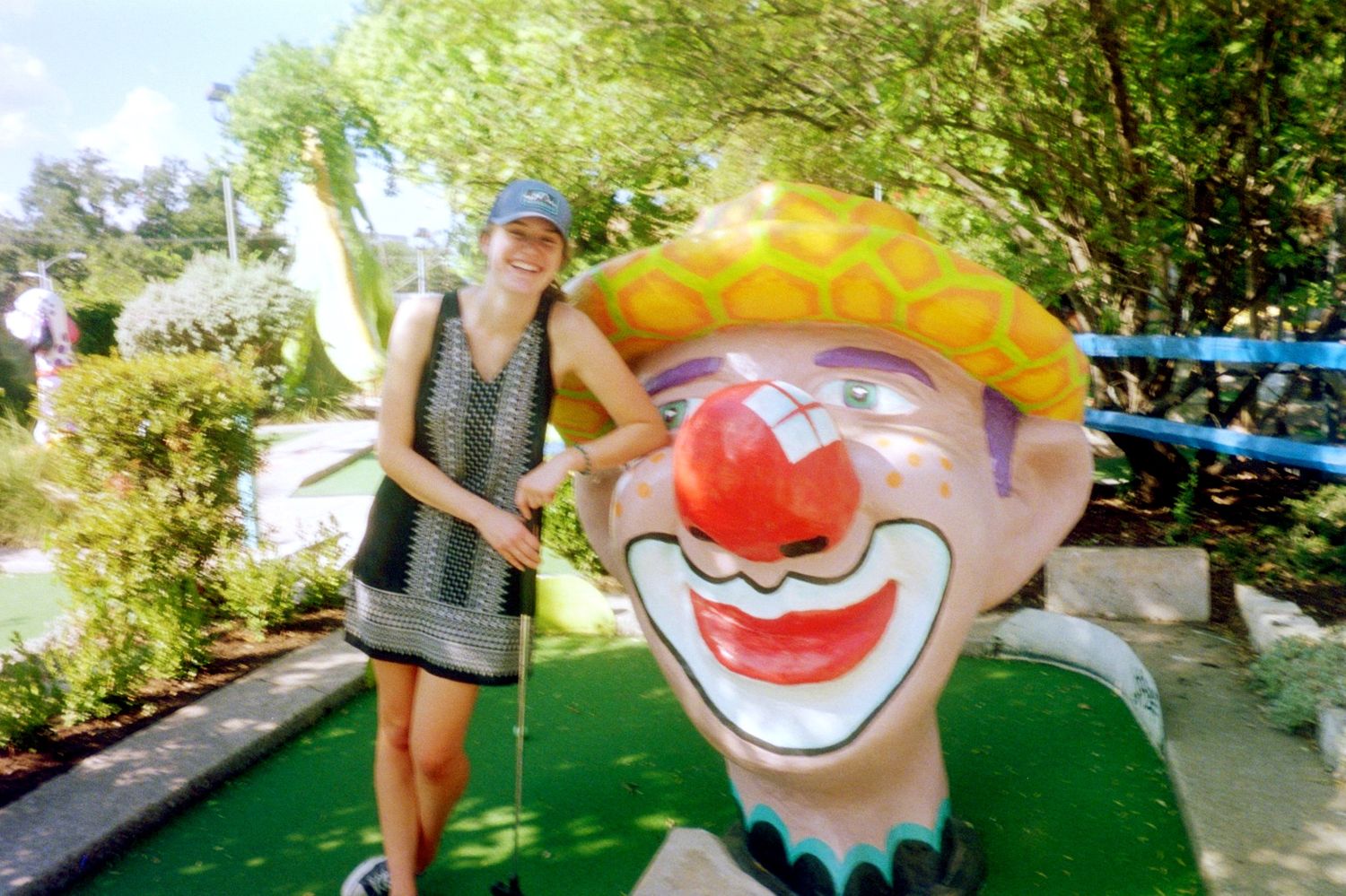
Me at Peter Pan Mini Golf in Austin, TX
Taken with the Kodak Water & Sport Waterproof 35mm Disposable Camera
Developed through CVS